{{ 'fb_in_app_browser_popup.desc' | translate }} {{ 'fb_in_app_browser_popup.copy_link' | translate }}
{{ 'in_app_browser_popup.desc' | translate }}
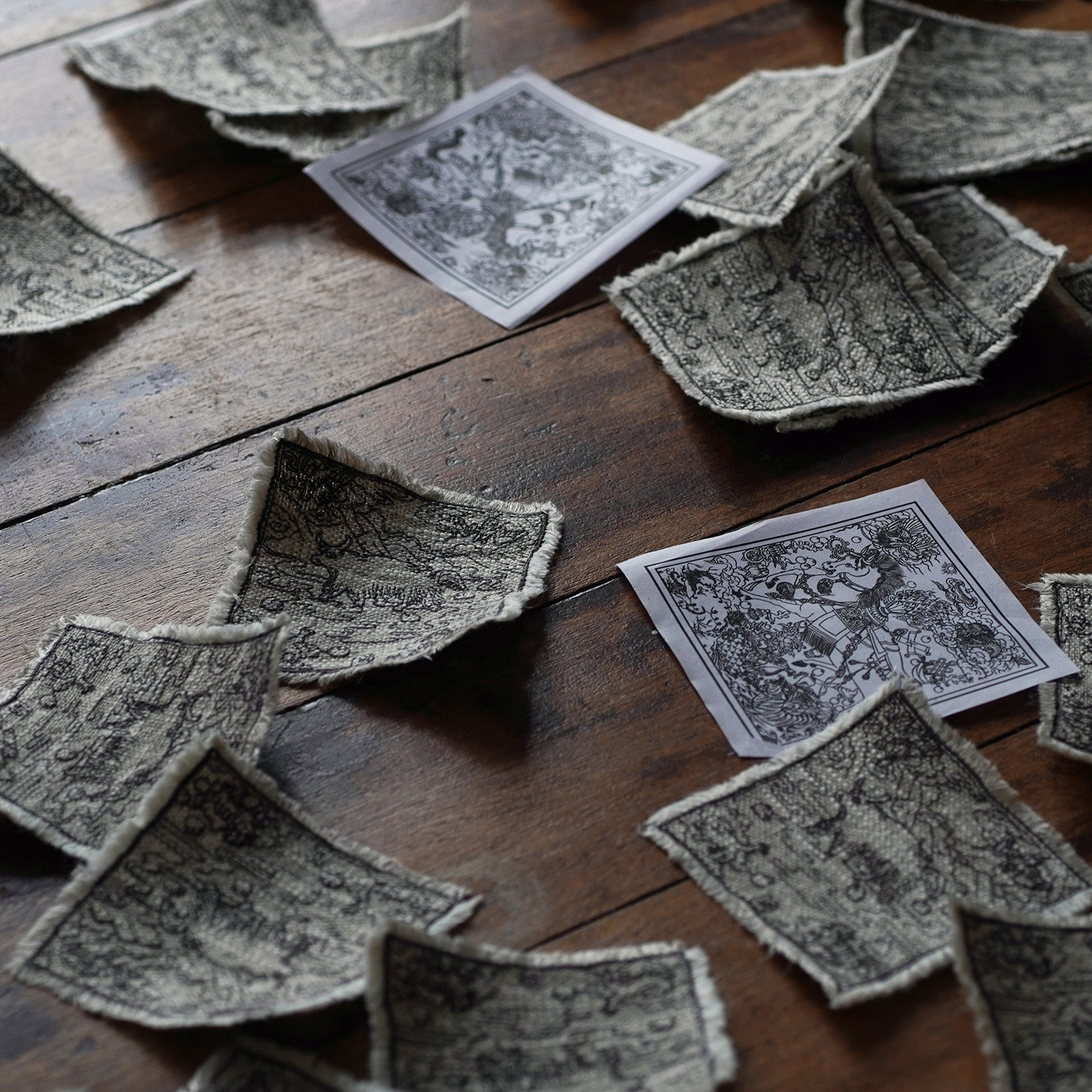
Material|55% Linen, 45% Cotton
Size|Approx. 8 × 8 cm
Not enough stock.
Your item was not added to your cart.
Not enough stock.
Please adjust your quantity.
{{'products.quick_cart.out_of_number_hint'| translate}}
{{'product.preorder_limit.hint'| translate}}
Limit {{ product.max_order_quantity }} per order.
Only {{ quantityOfStock }} item(s) left.
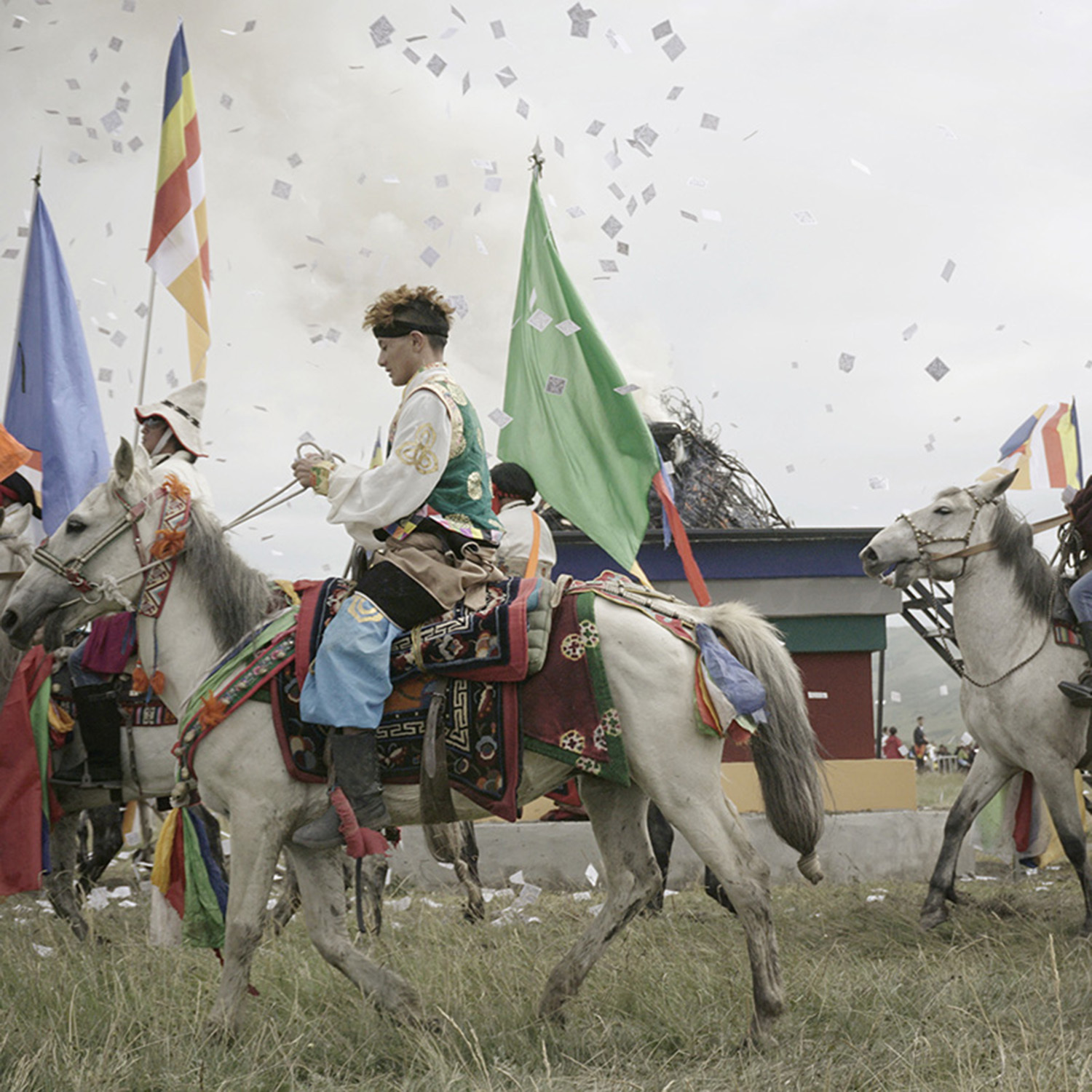
In the Tibetan Plateau, people often toss lungta into the air from mountain tops, monasteries, or during festivals. In Tibetan, lungta means “wind” and “horse,” symbolizing the union of the world’s breath (wind) and individual will (horse).
When people toss these small papers into the air, they let their prayers travel with the wind—carrying goodwill and blessings to distant places, and reminding us of the invisible threads that connect our thoughts, actions, and unseen fate.
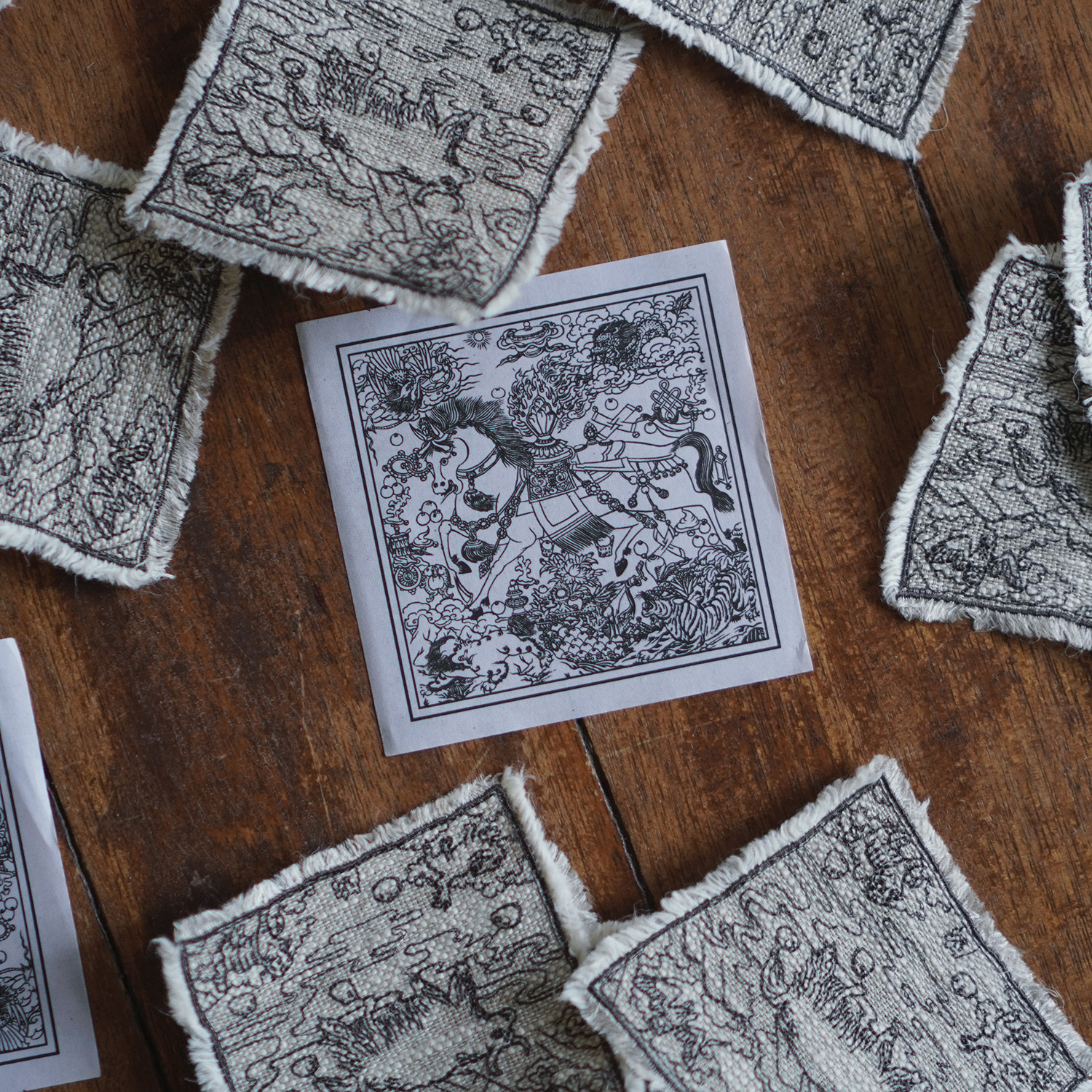
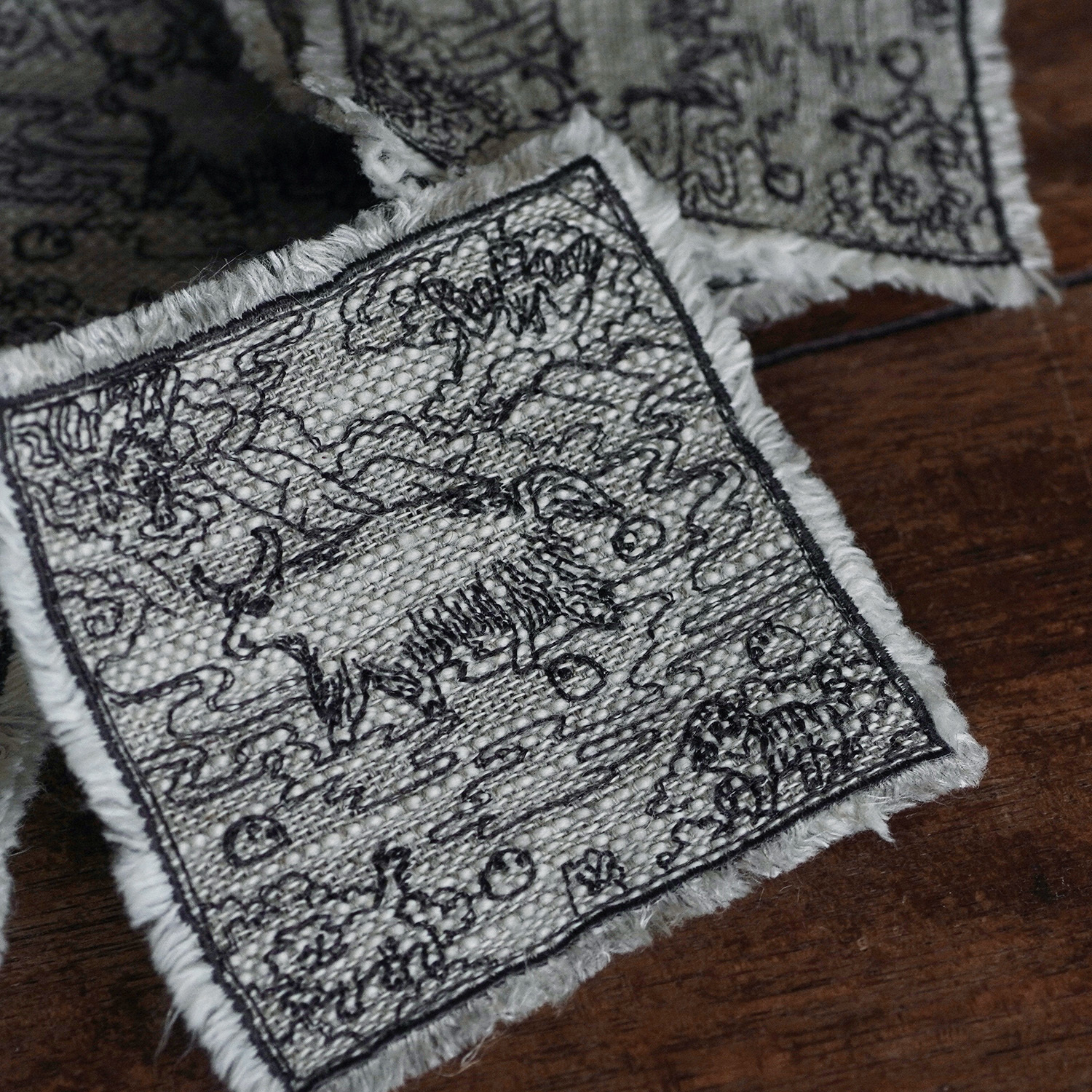
The imagery of lungta lives not only in the way it drifts across the open sky, but also in the world printed upon it.We kept its traditional composition in mind but reimagined the image—replacing the auspicious motifs with scenes from everyday life: the small stories we saw, heard, and felt while living among Tibetan communities.
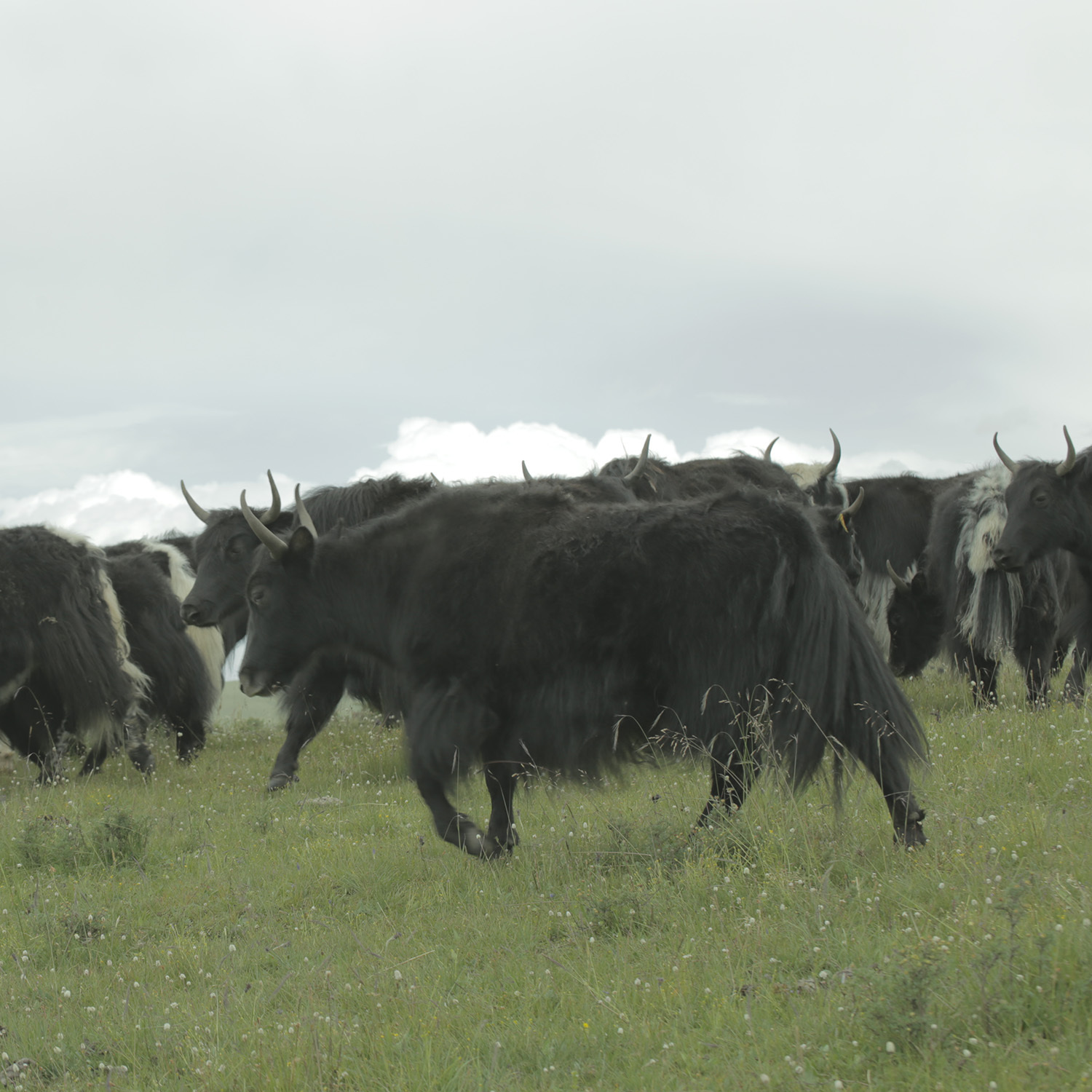
At the center stands a yak.In this world, it is more than an animal—it is the grounding heart that connects earth, people, and all living things.For the herders, and for us, it is the center of everything.

In each corner are not the four guardian beasts of legend, but familiar companions from daily life:
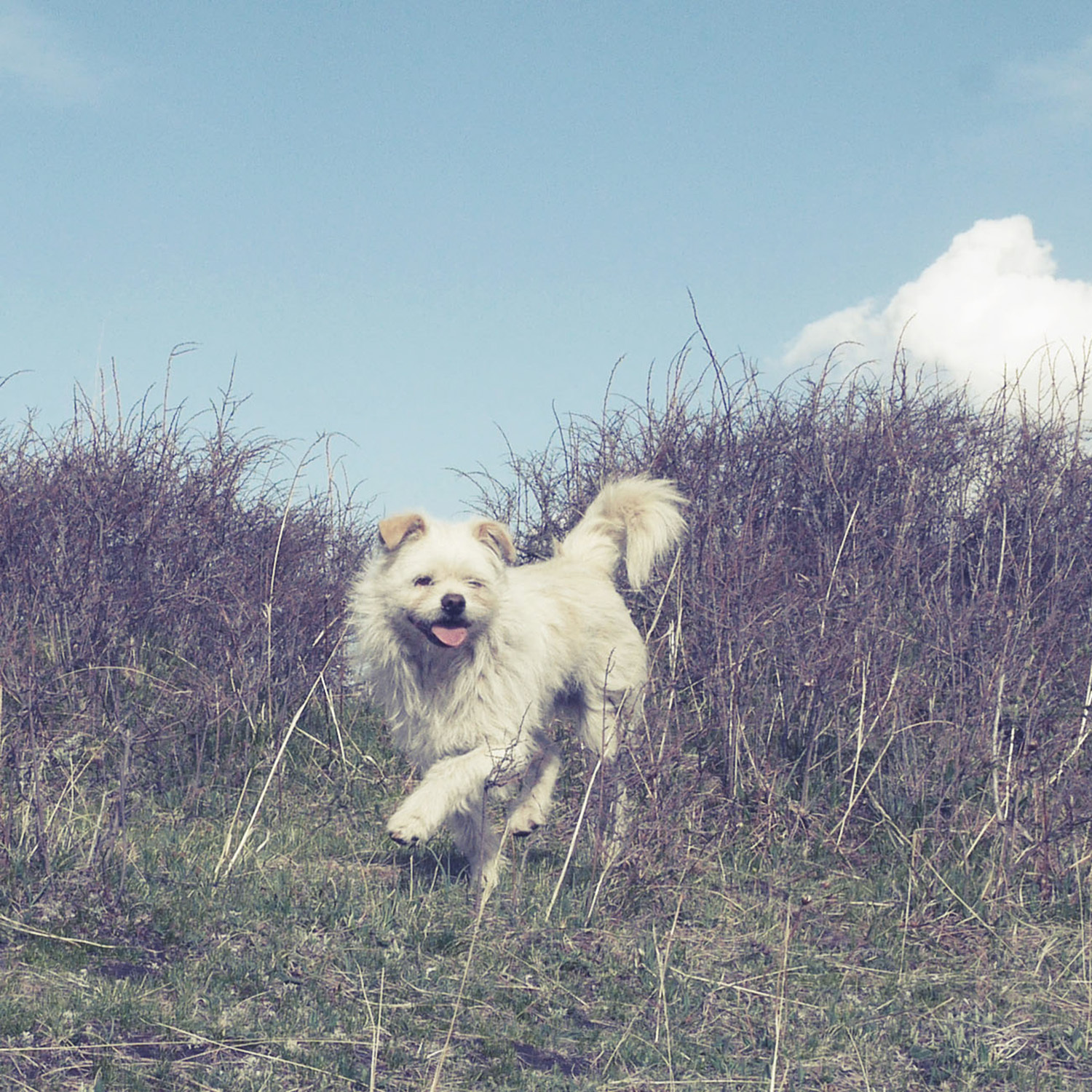
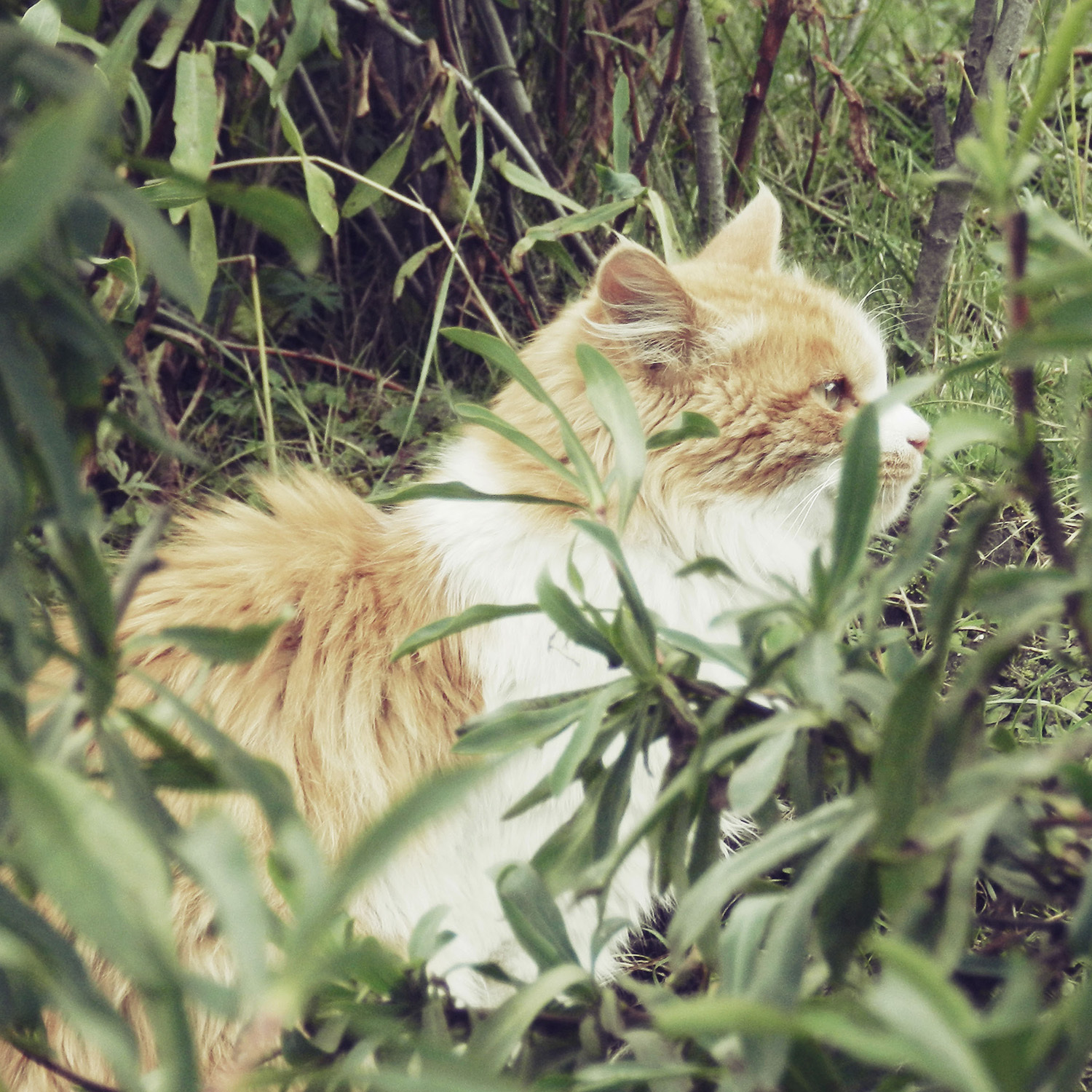
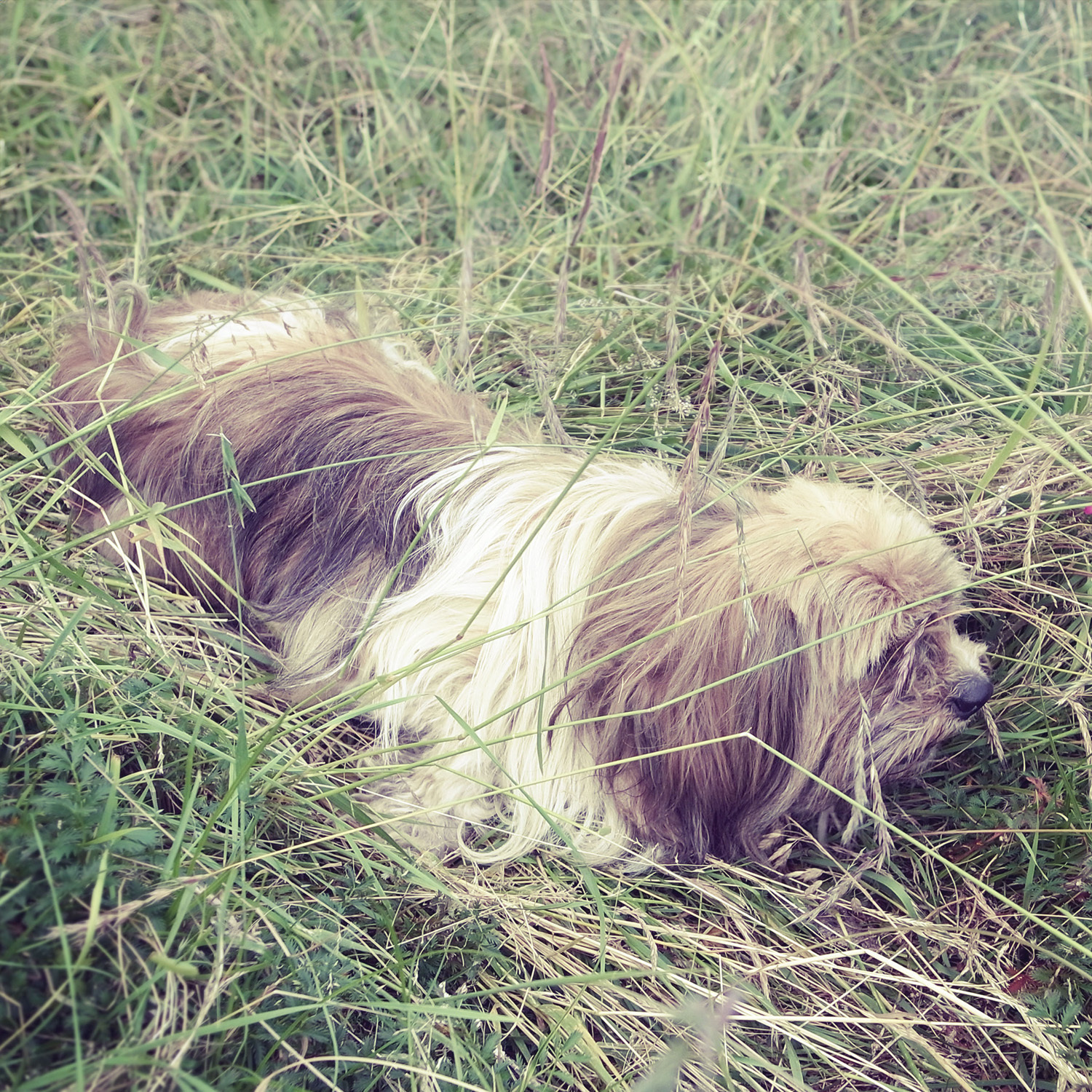
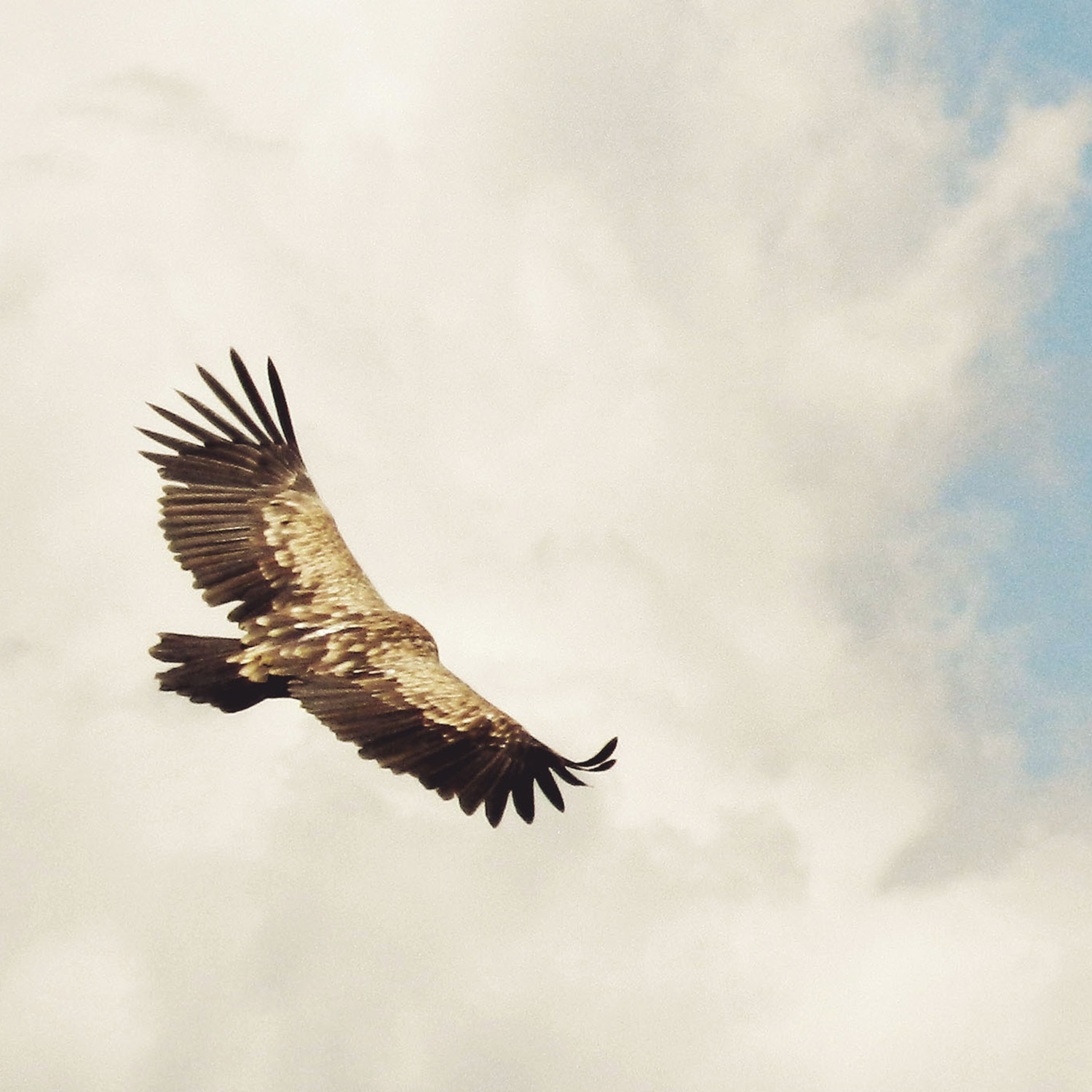
the workshop auntie’s white dog, Ding-Ding (lower left); a tiger-striped stray cat (lower right); a soaring eagle (upper right); …and a fierce little creature from old stories (upper left) — said to have the head of a dog and the body of an eagle, with the dog part resembling a Shih Tzu. It is said to appear in eagle nests along the cliffs, where, once hatched, it pushes its nestmates off the edge.
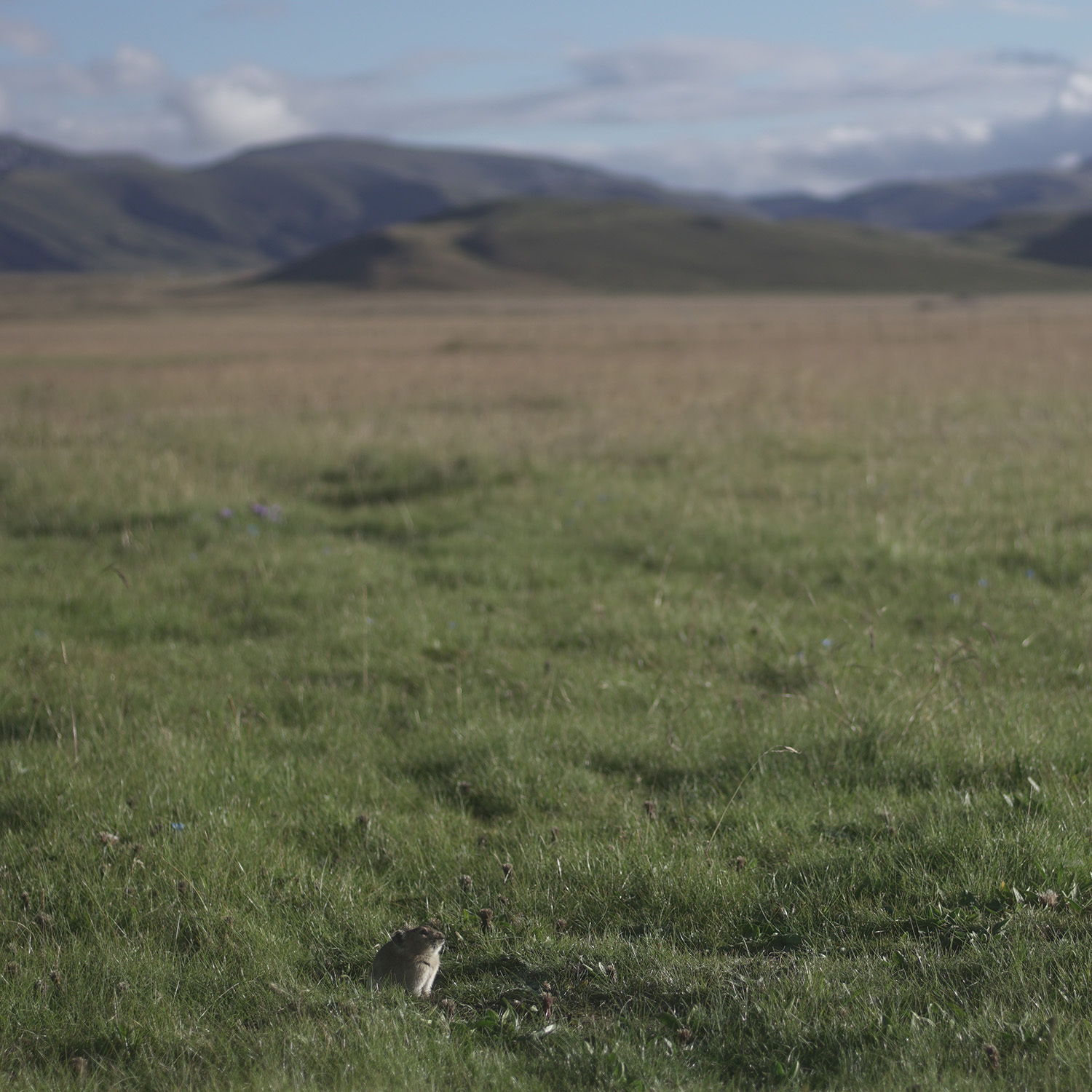
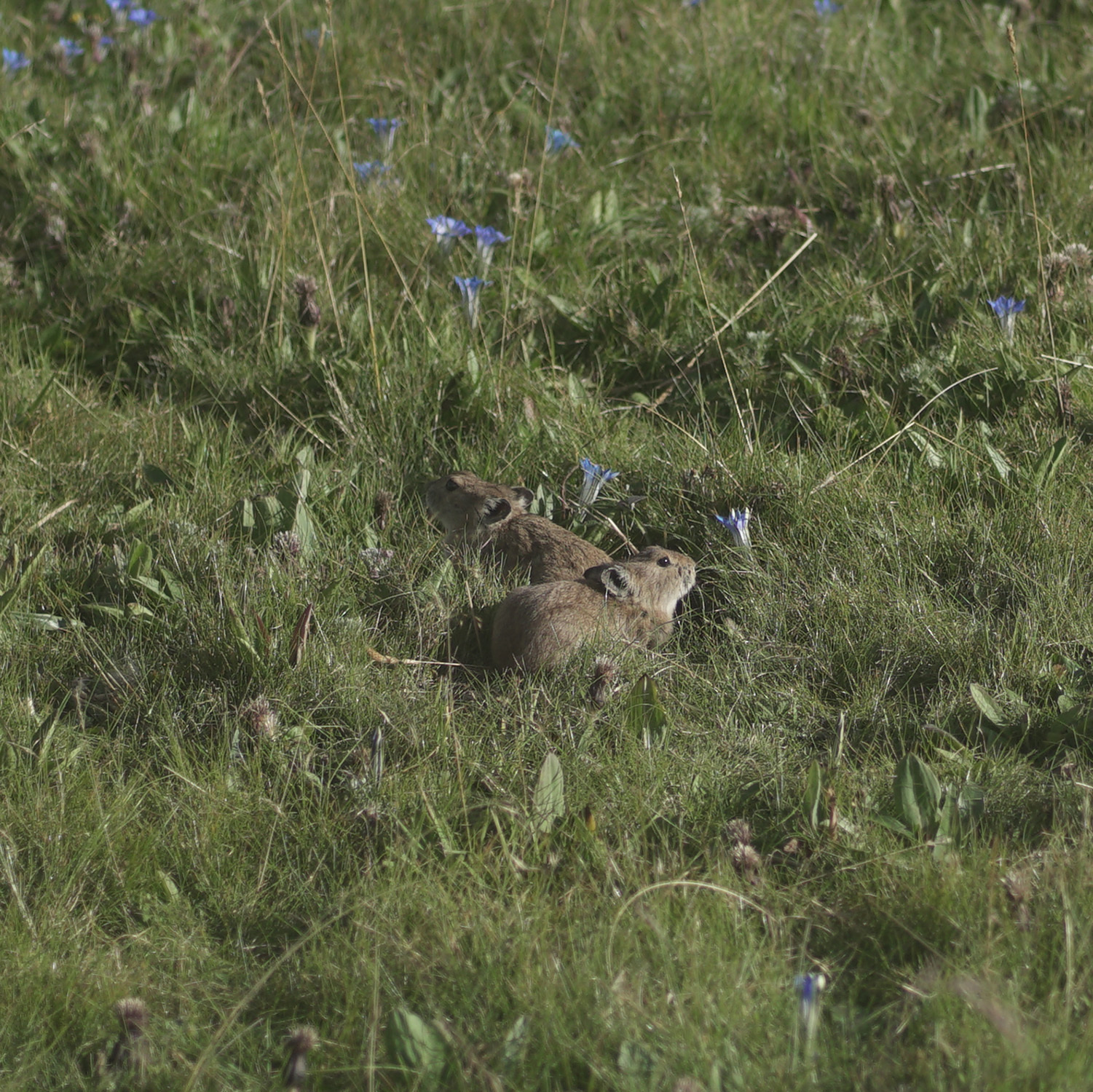
Around them lie the wide plateau, distant mountains, curling clouds, and the busy plateau pikas.
These small animals were once blamed for grassland degradation, but today more people speak for them—saying they are the result, not the cause, of a changing land.
An old herder once told us a story:after the pikas finish eating the grass on one hill, they call the eagle (the one in the upper right) and ask for a ride.“Let’s move to another meadow,” they say.If you look closely, you might find which pika is holding the phone.
We laughed and said it couldn’t be true, but deep down, we still wished it was—so the world could stay a little mysterious, a little magical.
The wind still passes through—perhaps carrying not only blessings, but also a touch of humor and a hint of mystery, drifting with the unseen lungta until, maybe, it lands softly in your hands.